
Few travel experiences combine fitness, fun, and community as well as a week at a Tenerife surf camp. Between steady Atlantic swells, reliable sunshine, and lively seaside towns, the island makes learning or progressing on a board straightforward and rewarding. Visitors who plan their sessions well enjoy consistent conditions, short transfers to beaches, and instructors who keep things safe, structured, and motivating.
Why the island is perfect for learning and progression
Volcanic geography creates varied breaks within a compact radius, so beginners, improvers, and advanced riders can share the same coastline without crowding. When the north channels winter swells and the south stays mellow, coaches choose the right spot for the day and keep lessons efficient. That flexibility is a major reason many surfing schools base multi-day programs here.
Local infrastructure helps as much as the waves. Airports, highways, and beachside facilities reduce logistics to minutes, leaving more time in the water. With rental boards, rash guards, and changing areas close at hand, scheduling is easy, and the social scene after sessions adds a layer of camaraderie that keeps Tenerife surf camp alumni returning.
Best areas and the rhythm of the seasons
Microclimates make forecasting specific to each coast. The south and southwest often deliver beginner-friendly peaks through much of the year, while the north lights up in winter for confident riders. Trade winds shape the surface; mornings are typically cleaner, which is why many camps block early lessons before a relaxed lunch and optional afternoon freesurf.
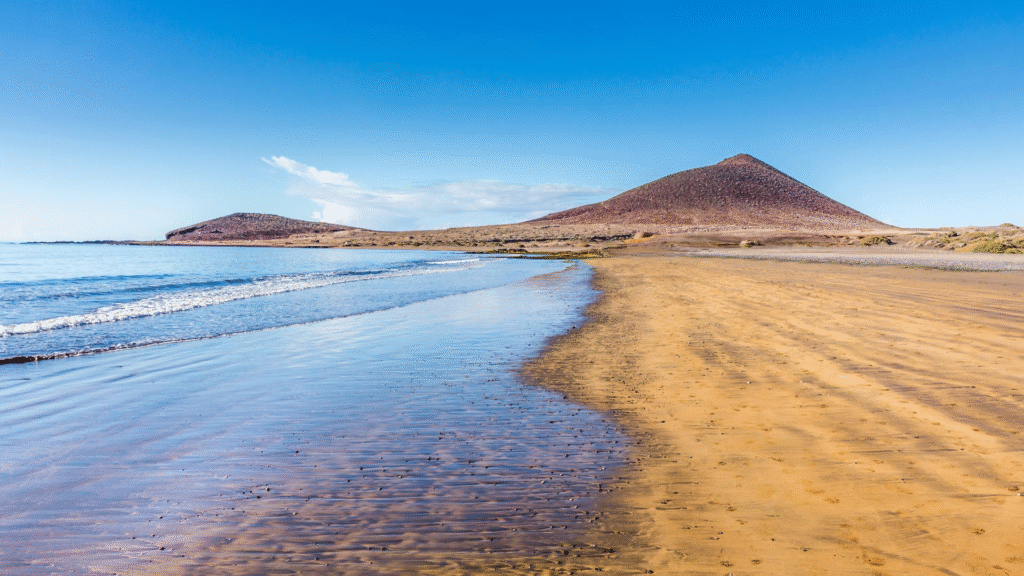
Choosing a base near multiple breaks increases the odds of scoring good sessions. Many programs rotate between Playa de las Américas, El Médano, and nearby reefs depending on tide and wind. To compare options quickly, use the table below when narrowing down locations.
| Area / Break | Typical level | What it’s known for | When it shines |
|---|---|---|---|
| Playa de las Américas | Beginner–int. | Sandy entries, gentle peaks, schools | Most of the year |
| El Médano | Int.–advanced | Wind-exposed walls, kitesurf culture | Spring to autumn |
| North coast reefs | Advanced | Powerful winter swells, hollow sections | Late autumn to winter |
| La Tejita | Beginner | Spacious beach, mellow take-offs | Spring and summer |
Balanced programs mix coaching with rest. With smart rotation and realistic goals, Tenerife surf camp weeks help guests bank small wins daily—better pop-ups, smoother trimming, and safer wipeouts—so progress feels steady rather than forced.
How to choose the right surf camp
Matching goals to teaching style is essential. Some schools focus on foundational skills and water confidence, while others emphasize video analysis, drills, and fitness on land. Group size matters too; smaller ratios mean more feedback per wave and faster adjustments in the lineup.
Look for transparent curricula and qualified staff. Internationally recognized lifeguard certifications, insurance, and clear safety briefings should be standard. The best programs also segment by level each morning, so first lessons aren’t mixing with advanced coaching blocks. Before booking, evaluate these factors:
- Student-to-coach ratio, daily water time, and guaranteed lesson count
- Board and wetsuit selection across sizes and volumes, plus swap policy
- Video analysis, photo packs, and progress tracking between sessions
- Transport to multiple breaks and flexibility with tides and winds
- Accommodation style, communal spaces, and quiet hours for recovery
What a typical week can look like
Arrival days start with gear fitting and a land-based introduction to stance, foot placement, and pop-up mechanics. Early sessions prioritize safety: reading flags, identifying channels, and practicing turtle rolls for smaller riders or duck dives for stronger swimmers. Coaches then anchor a routine that alternates instruction with guided freesurf.
As confidence builds, tasks become more specific: catching unbroken waves, angling take-offs to avoid closeouts, and managing speed with trim and minor carves. Evening debriefs review clips, mark targets for the next day, and highlight wins. Within a well-paced Tenerife surf camp, steady repetition beats chasing hero waves.
A simple progression roadmap
- Master foam-wave timing, safe falls, and relaxed breath control
- Refine pop-up consistency and weight distribution for smooth trim
- Learn to read peaks, choose angles, and avoid shoulder-hopping
- Add basic turns: gentle bottom turns and clean kick-outs
- Consolidate habits with varied tides, winds, and board sizes
Gear, safety, and lineup etiquette
Equipment should fit both conditions and ability. Soft-tops and higher-volume boards make sense for learners, while intermediates often split sessions between funboards and longboards to experiment with paddling speed and glide. Leashes, reef-friendly booties, and properly fitted suits keep energy focused on the wave rather than the water temperature.
Etiquette protects everyone and keeps lineups friendly. Priority rules, controlled boards, and clear communication reduce collisions and stress. Camps that coach situational awareness—where rips form, how crowds shift, when to sit wide—help guests make independent choices long after Tenerife surf camp week ends.
- Know the right-of-way, never drop in, and paddle wide around the peak
- Keep boards attached and noses pointed seaward during sets
- Respect locals and fragile habitats; avoid standing on the reef
- Hydrate, warm up shoulders, and rest if judgment starts slipping
- Log each session: conditions, board choice, and two takeaways
Budgeting and what’s typically included
Pricing reflects teaching hours, equipment quality, and accommodation. Entry packages usually bundle lessons, board and suit hire, and transport to beaches; premium tiers add photo analysis, strength sessions, and private coaching slots. Location also matters: being near multiple breaks can raise costs but increases usable water time.
Before paying, compare inclusions line by line. Transparent providers specify lesson length, max group size, and contingency plans for windy afternoons. Many Tenerife surf camp operators offer shoulder-season discounts, making spring and late autumn good value windows without sacrificing conditions.
Nutrition, recovery, and fitness between sessions
Simple routines amplify progress. Light pre-surf fuel, post-session protein, and steady hydration protect energy across the week. Mobility work for hips and thoracic spine pairs well with short shoulder activation, while gentle evening walks help flush the legs after paddling.
Sleep remains the strongest performance enhancer. Quiet hours, limited late-night screens, and stretching before bed help muscles adapt to new loads. When energy dips, smart guests choose smaller boards only after recovery days, keeping the Tenerife surf camp trajectory upward rather than overcooked.
Beyond the waves: adding variety to your week
Rest days are perfect for coastal hikes, markets, or a cable-car ride near Teide for panoramic views when winds behave. Evening options range from beachfront tapas to live music in resort areas, and sunrise yoga helps reset posture after hours of paddling. Variety keeps motivation high and prevents overuse niggles.
Water lovers often add snorkel trips or a calm boat cruise for a low-intensity ocean fix. With short drives between towns and beaches, non-surf activities fit neatly around lesson blocks, turning a focused Tenerife surf camp into a rounded island experience.
FAQs about camps
Booking windows often open months ahead of peak dates, yet last-minute spaces do appear outside school holidays. Travelers commonly ask about rest days, rain policies, and swim requirements; most schools schedule one lighter day, run sessions in light showers, and request water confidence rather than elite fitness. Insurance is included for lessons, while optional photo packages add value by documenting subtle improvements that are easy to miss in the moment. Equipment sanitation, shared storage, and hot-water showers vary by venue, so confirm practicalities if comfort between sessions matters to your decision later on.
Another frequent doubt concerns language and group dynamics. Most teams coach comfortably in English and Spanish, and level checks on day one keep groups cohesive. If you are nervous about crowds, consider shoulder-season weeks. For dietary needs, hosts typically accommodate vegetarian or gluten-free options. Clear pre-trip communication sets expectations, helping Tenerife surf camp schedules flow smoothly from airport pick-up to farewell photos, while leaving room for sunsets and bonus freesurfs when the tide and wind deliver extra magic.
Profiles and personalized planning
Not every guest arrives with the same goals. Beginners thrive on repetition of fundamentals and patient coaching, while improvers need targeted drills and immediate feedback on timing and angle choice. Advanced riders benefit from spot selection, video breakdowns, and fine-tuning stance for faster sections.
Families appreciate mixed-level scheduling and shared downtime, whereas solo travelers tend to value community dinners and photo reviews. By matching coaching style, accommodation vibe, and downtime options to your personality, Tenerife surf camp plans feel bespoke without inflating the budget.
Book with Jessie Excursions Tenerife for a seamless week
Confidence rises when logistics are handled by professionals who know the local winds, tides, and traffic at each break. With Jessie Excursions Tenerife, multi-day packages pair qualified coaches, flexible beach transfers, and clear safety protocols with friendly accommodation options in Tenerife. From the first wax-up to the final wave of the week, guidance stays supportive, progress measurable, and the stoke easy to carry home.