
Exploring Tenerife trekking routes reveals a side of the island that goes beyond beaches and resorts. The terrain holds ancient lava flows, laurel forests, pine woods and dramatic coastal cliffs that shift within a short drive. For hikers of every level, Tenerife provides paths that reward patience with views of volcanoes, ravines and sea horizons. With careful planning, trekking here combines adventure, safety and cultural encounters.
Tenerife invites both casual walkers and experienced trekkers to find trails matching their pace. Routes wind through UNESCO reserves, national parks and rural villages that preserve traditions. Elevation changes make even short hikes rewarding, while long-distance options challenge endurance seekers. The island’s variety means every journey feels unique, no matter how many times you return to its paths.
Why Tenerife is a premier trekking destination
The appeal of Tenerife trekking routes lies in diversity. Within one week you can climb volcanic ridges, walk under humid forest canopies and finish with cliffside paths overlooking the Atlantic. Few islands worldwide offer such contrasts in such compact distances. This makes Tenerife ideal for hikers who want multiple landscapes without long transfers.
The presence of Mount Teide defines the island’s hiking identity. Trails in Teide National Park lead through craters, solidified lava rivers and panoramic viewpoints above the clouds. In contrast, the Anaga mountains in the northeast immerse hikers in misty laurel forests, a habitat that feels almost prehistoric. Between these extremes lie coastal walks, pine forest circuits and routes across rural farmland.
Climate adds another dimension. Tenerife’s microclimates allow year-round trekking, though preparation for quick weather shifts is essential. A sunny beach morning may give way to fog in the mountains by noon. For trekkers, this unpredictability adds drama but requires discipline in clothing, hydration and safety planning.
Trekking levels and accessibility
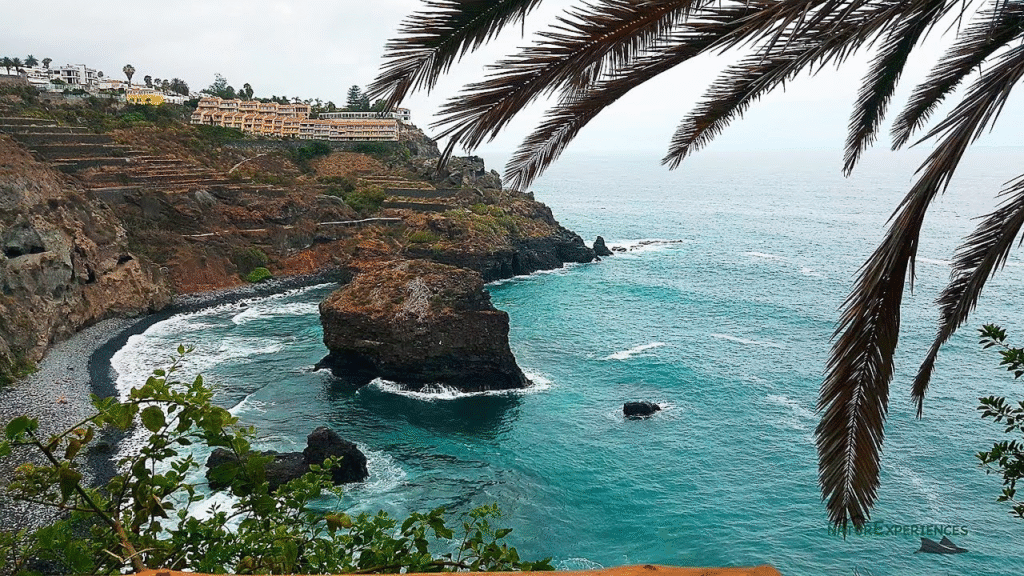
Accessibility defines how Tenerife trekking routes can appeal to wide audiences. Families with children can enjoy short coastal paths with safe viewpoints. Moderate hikers find half-day trails through pine forests or historic towns. Advanced trekkers pursue summit climbs or multi-day circuits connecting ridges and valleys. Each level is well represented across the island.
Infrastructure supports exploration, with signage, waypoints and information centers in major areas. Apps and GPS maps add backup for routes where fog reduces visibility. Public transport reaches many trailheads, but remote options require car hire or guided tours. Knowing your limits ensures hikes remain safe and enjoyable rather than exhausting.
Teide National Park: volcanic highlands
No exploration of Tenerife trekking routes is complete without Teide National Park. Trails cross lunar landscapes where lava solidified into twisted formations. The altitude grants views above the cloud layer, turning each lookout into a horizon of white seas. Depending on stamina, hikers can choose easy circuits or full summit ascents.
Short trails around the caldera
Routes like Roques de García showcase iconic rock formations within two hours of walking. These circuits allow close views of lava towers, pumice and the massive caldera walls. Paths are well marked and manageable for most visitors, offering dramatic scenery without long climbs. Photography opportunities abound thanks to shifting light throughout the day.
The ascent of Mount Teide
For advanced hikers, the ultimate goal of Tenerife trekking routes is the Teide summit. The climb from Montaña Blanca involves steep switchbacks and thin air, requiring fitness and preparation. Permits are mandatory for the final stretch, limiting numbers for preservation. Sunrise from the top is unforgettable, with shadows stretching across the Atlantic. Careful acclimatization prevents altitude sickness on this demanding trek.
Anaga Rural Park: laurel forest wonder
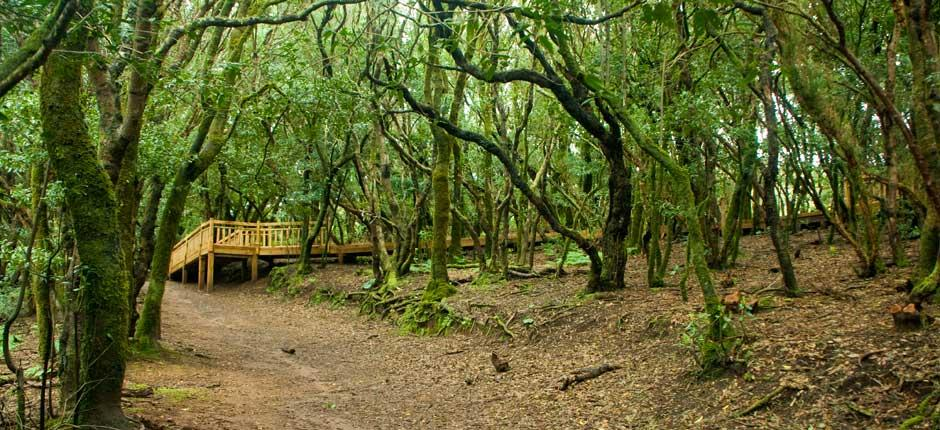
The Anaga mountains provide a striking contrast to volcanic deserts. Trails pass through ancient laurel forests kept green by trade wind mists. Walking here feels like stepping back in time, surrounded by moss, ferns and tangled roots. Tenerife trekking routes in Anaga offer both short loops and full-day challenges.
Coastal and forest paths
Hikes from Cruz del Carmen descend into deep ravines, linking villages through narrow paths. These routes test stamina but reward with hidden viewpoints over cliffs and bays. Shorter trails near Taganana bring quick access to laurel shade and sea views. Wooden waymarks and interpretive panels enrich the experience with natural history.
Village encounters
One unique feature of Anaga trekking is meeting communities tucked into steep slopes. Small hamlets maintain traditions in architecture, farming and cuisine. Stopping for a meal in a village guachinche adds authenticity to Tenerife trekking routes. The cultural contact complements the physical challenge, making each walk multidimensional.
Teno Rural Park: cliffs and remote paths
In the northwest, Teno Rural Park delivers rugged scenery shaped by cliffs and barrancos. Paths here are narrower and more isolated, appealing to adventurous hikers. Masca Gorge remains the most famous trek, descending from a mountain village to the ocean. The return journey requires strength or prearranged boat transport.
Masca Gorge
Considered one of the jewels of Tenerife trekking routes, Masca combines geology with challenge. The descent winds through steep ravines, surrounded by vertical rock walls that glow under shifting light. At the bottom, waves crash against black volcanic rocks, offering a dramatic finish. Strict regulations limit numbers for safety and conservation.
Lighthouse and coastal trails
Further west, routes lead toward Punta de Teno, where a lighthouse guards wild cliffs. These treks expose hikers to Atlantic winds and expansive horizons. The isolation makes them less crowded, ideal for those seeking solitude. Infrastructure is basic, so self-sufficiency is key on these paths.
Coastal and mid-altitude circuits
Beyond famous parks, Tenerife trekking routes include coastal promenades and mid-altitude trails. These options suit travelers wanting manageable distances without extreme climbs. They also reveal agricultural heritage, linking banana plantations, terraces and rural churches.
Coastal promenades
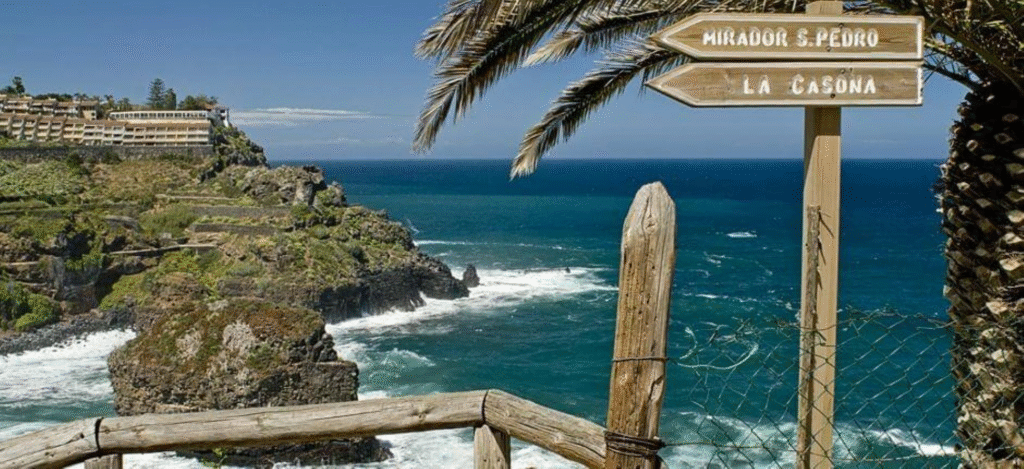
Walks near Los Cristianos, Puerto de la Cruz or Bajamar blend urban convenience with sea views. Paved sections suit families, while side paths lead to natural pools and rocky coves. Sunsets along these promenades turn simple strolls into memorable experiences. Accessibility makes them popular for casual walkers.
Pine forest circuits
Mid-altitude trails across Corona Forestal showcase Canarian pines that survive fire and drought. Loops around Vilaflor or La Esperanza reveal shaded paths perfect for summer. These routes form the backbone of longer treks that connect to Teide National Park. Families and moderate hikers find them rewarding yet not overwhelming.
Seasonal considerations for trekking
Year-round trekking is possible, but Tenerife trekking routes change character with the seasons. Summer brings dry heat, requiring early starts and abundant water. Winter lowers temperatures in highlands, sometimes dusting Teide with snow. Spring blooms in Anaga forests add color, while autumn stabilizes weather for long circuits.
Microclimates can shift conditions in minutes. Carrying layers, rain jackets and sun protection remains essential. Weather apps help, but local advice often proves most accurate. Guided tours adapt routes in response to sudden changes, ensuring safety while preserving the experience.
Practical guidance for hikers
Preparation makes Tenerife trekking routes more enjoyable and safer. Beyond clothing and water, planning includes route research, transport and backup options. Each trail deserves respect, as terrain can be deceptive despite short distances on the map.
Clothing and gear
Layered clothing adjusts to altitude shifts, from hot coasts to cool ridges. Proper hiking boots protect ankles on rocky or uneven ground. Poles reduce strain on knees during steep descents. A small backpack should carry food, maps and a first aid kit.
Transport logistics
Public buses reach many trailheads, but service may be infrequent. Renting a car allows greater flexibility for remote starts and finishes. Parking can be limited in small villages, so arriving early is wise. Organizing group transport simplifies one-way hikes.
Safety and respect
Respecting regulations preserves Tenerife trekking routes for future generations. Staying on marked paths prevents erosion and protects flora. Carrying trash out and avoiding loud noise maintains harmony with nature. Informing someone of your plan adds security in case of delays.
Common mistakes to avoid
Even experienced hikers can underestimate Tenerife. Assuming trails are short because the island is compact often leads to fatigue. Lack of water, inappropriate footwear or ignoring altitude can spoil outings. Relying solely on mobile signal risks navigation issues in deep ravines. Correcting these mistakes ensures trekking remains enjoyable.
Five essential steps to plan your trek
- Select routes that match your fitness and available time
- Check weather forecasts and adapt gear accordingly
- Arrange transport, including return from one-way treks
- Carry enough water, snacks and emergency items
- Respect regulations, nature and local communities at every step
How Tenerife trekking routes compare
| Region | Landscape | Difficulty | Highlights | Notes |
|---|---|---|---|---|
| Teide National Park | Volcanic deserts, craters | Moderate to hard | Summit, lava formations, views above clouds | Permit needed for summit |
| Anaga Rural Park | Laurel forests, ravines | Moderate | Misty paths, traditional villages | Fog and steep slopes |
| Teno Rural Park | Cliffs, gorges | Hard | Masca Gorge, Punta de Teno | Limited access, regulations |
| Coastal paths | Promenades, natural pools | Easy | Sunsets, urban-sea blend | Popular, accessible |
| Pine forests | Mid-altitude shade | Moderate | Canarian pines, loops | Summer refuge |
Detailed trekking essentials
To maximize the reward from Tenerife trekking routes, preparation should become second nature. Packing guides, confirming permits and checking bus timetables reduce surprises. Hiking early in the day avoids both heat and crowds. Respect for nature ensures trails remain pristine for future visitors.
Water and nutrition
Dehydration remains the top risk on long hikes. Carrying at least two liters per person, plus fruit or nuts, keeps energy steady. Avoid alcohol the night before demanding treks. Stopping for local food after a hike enhances recovery and connects culture to physical effort.
Navigation and apps
While signage is generally strong, dense fog or poorly lit conditions challenge orientation. GPS maps downloaded offline provide backup. Battery packs extend phone life during full-day treks. Traditional paper maps remain valuable when technology fails.
Cultural respect
Many trails cross rural villages, and etiquette matters. Greeting locals, supporting small shops and respecting private land create goodwill. Including cultural stops enriches Tenerife trekking routes beyond physical landscapes. Sustainable trekking balances natural beauty with community benefit.
Trekking routes worth highlighting
Beyond famous parks, several specific trails stand out. These routes capture the essence of Tenerife trekking routes and offer diverse experiences. Each balances scenery, accessibility and unique features.
Roques de García
Located in Teide National Park, this short loop showcases iconic lava towers. Accessible and rewarding, it introduces geology in a dramatic setting. Families often choose it for manageable length and rich scenery. Sunrise and sunset add extra depth to the landscape.
Afur to Taganana
In Anaga Rural Park, this trail descends from a high village to the coast. Laurel forests, deep ravines and ocean vistas define the route. It challenges stamina but delivers authentic contact with traditional communities. The mix of forest and sea makes it unforgettable.
Masca Gorge
Among the most famous Tenerife trekking routes, Masca Gorge tests endurance while dazzling with geology. The path narrows between towering cliffs before ending at the ocean. Strict entry rules preserve safety and natural balance. The descent remains iconic for adventure seekers.
Montaña de Guajara
As Teide’s neighbor, Montaña de Guajara offers panoramic views of the entire national park. The climb is demanding but not extreme, making it a favorite for experienced hikers. The reward is an unrivaled view of Teide rising from a sea of clouds. Its altitude demands respect but delivers awe.
Rambla de Castro
Near Puerto de la Cruz, this coastal walk blends banana plantations with natural beauty. Palm groves, cliffs and colonial houses enrich the scenery. The route is accessible and scenic, making it ideal for half-day excursions. It connects nature with cultural landmarks seamlessly.
Tailored trekking with Jessie Excursions Tenerife
For those wanting clarity and safety, guided support simplifies Tenerife trekking routes. Local experts adjust itineraries to fitness levels, manage permits and handle logistics. Travelers gain confidence knowing transport, timing and weather have been planned. This frees energy to enjoy the path rather than worry about details.
Jessie Excursions Tenerife provides personalized trekking options in Tenerife, across Teide, Anaga, Teno and beyond. Whether seeking short scenic loops or challenging ascents, they match routes to visitor profiles. With guidance on gear, water and local customs, each trek becomes richer and safer. Book with Jessie Excursions Tenerife for expert planning and memorable trails across Tenerife.