
Travel feels richer when local wines add context to landscapes, and Tenerife wine tasting delivers exactly that. Terraced vineyards cling to volcanic slopes, trade winds cool sun-drenched hillsides, and historic bodegas pour bottles you rarely find beyond the Canary Islands. Whether your base is Costa Adeje, Los Cristianos, Santa Cruz de Tenerife or Puerto de la Cruz, short drives make it easy to sip, learn and wander without losing half the day in transit.
A volcanic heritage that shapes every glass
Centuries of cultivation created a mosaic of micro-terroirs across the island. Black basalt soils, born from eruptions, lend texture and a whisper of smoke to native grapes, while altitude and Atlantic breezes preserve freshness.
Travelers who combine coastal stays with vineyard visits quickly notice how the same variety can read differently from Tacoronte to the Valle de Güímar, a hallmark of Tenerife wine tasting that keeps curiosity high through every flight.
Local grapes take center stage across the north and south. Listán Blanco and Listán Negro anchor many blends, supported by Malvasía Aromática, Vijariego, Baboso Negro and Negramoll. Dry whites sing with seafood in Santa Cruz de Tenerife; structured reds love goat’s cheeses in La Orotava; gently sweet Malvasías nod to the island’s centuries-old trade routes. With cities and vineyards close together, a single day can showcase impressive range.
Wine regions and scenic routes, city by city
Visitors based in Costa Adeje or Los Cristianos often point east to Abona and Güímar, where higher-altitude plots produce crisp whites and mineral-driven rosés. A different arc from Puerto de la Cruz leads straight into Tacoronte-Acentejo’s cellar doors, many with ocean views and garden courtyards. Urbanists lodging in Santa Cruz de Tenerife can hop between tasting rooms and tapas bars, then ride the tram to La Laguna for an evening walk among convents and cafés pouring flights by the glass.
Because public transport is strong along the northeast corridor, car-free planning works well for tastings near Santa Cruz de Tenerife and San Cristóbal de La Laguna. For rural bodegas around Icod de los Vinos or Garachico, a driver or guided shuttle keeps the day relaxed. That mix of urban convenience and countryside charm is a quiet superpower of Tenerife wine tasting, especially for first-timers.
Denominations of Origin at a glance
| Denomination (DO) | Closest city hubs | Signature grapes & styles | Good for first visits |
|---|---|---|---|
| Tacoronte-Acentejo | Santa Cruz de Tenerife, La Laguna | Listán Negro reds; aromatic Malvasía | Scenic, easy access |
| Valle de La Orotava | Puerto de la Cruz, La Orotava | Mineral whites; elegant, earthy reds | History + views |
| Ycoden-Daute-Isora | Garachico, Icod de los Vinos | Fresh whites; structured volcanic reds | Coastal drives |
| Abona | Costa Adeje, Los Cristianos | High-altitude whites; rosés with bite | South-coast bases |
| Valle de Güímar | Candelaria, Güímar | Zesty whites; lighter reds | East-side day trips |
Elevation swings quickly between sea level and terraced plots, so tastings rarely feel repetitive. Even within Valle de La Orotava, a short hop from Puerto de la Cruz to La Orotava can shift style from citrus-bright to saline-mineral—one more reason Tenerife wine tasting rewards curious palates.
How to choose tastings, tours and timing
Geography should guide your first decisions. Costa Adeje and Los Cristianos simplify access to Abona; Santa Cruz de Tenerife and La Laguna favor Tacoronte-Acentejo; Puerto de la Cruz sits on the doorstep of La Orotava. Next, pick formats—bar flights, vineyard tours, or guided day trips that bundle two DOs with lunch—and book ahead for weekends and harvest season.
Time of day matters as much as route. Late-morning tastings bring quieter rooms and cooler cellars, while golden-hour slots paint vineyard slopes above La Orotava with soft light. If your plan chains multiple stops, add buffers for hairpins and photo breaks. You’ll enjoy Tenerife wine tasting far more with generous margins than a rushed checklist.
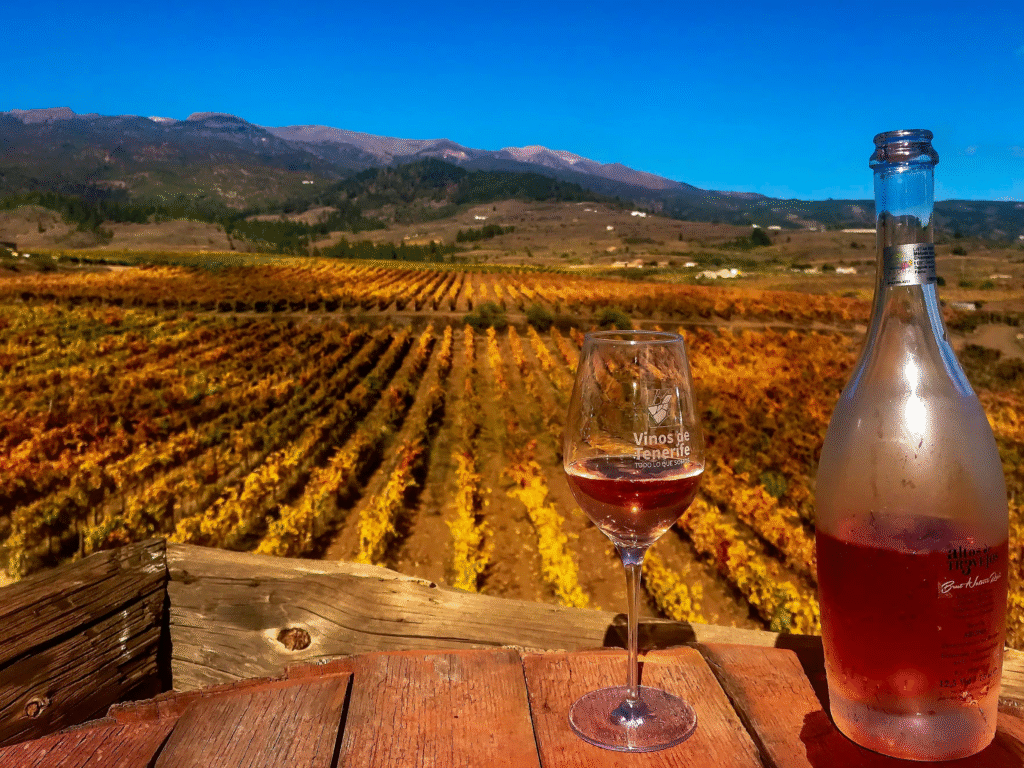
Grapes to know before you go
- Listán Blanco (Palomino): crisp, saline whites that pair beautifully with grilled fish in Santa Cruz de Tenerife.
- Listán Negro: versatile reds ranging from juicy to smoky, a staple across Tacoronte-Acentejo.
- Malvasía Aromática: floral, sometimes off-dry; a historic island signature from coastal plots.
- Vijariego Blanco: high-altitude freshness with citrus and herbs, ideal for afternoon tapas in La Laguna.
- Baboso Negro & Negramoll: darker tones, gentle spice and soft tannins that flatter mountain cheeses near La Orotava.
Tasting etiquette and a quick flavor map
A little etiquette stretches the value of every pour. Plan a light breakfast, hydrate, and pace flights with water between samples. Hosts appreciate concise preferences—“dry white with texture,” “volcanic red with lift”—which speeds up tailored recommendations. If you’re driving, keep limits in mind or designate a sober pilot; city tastings in Santa Cruz de Tenerife and La Laguna make that choice simple.
Flavors often mirror the island’s terrain. Whites from Valle de Güímar feel linear and zesty; altitude in Abona adds lift; La Orotava layers stone fruit over volcanic grip; Tacoronte-Acentejo reds bring cherry, herbs and a hint of smoke. When Tenerife wine tasting leans coastal around Garachico, a saline frame can shape the finish—perfect with octopus and papas arrugadas on a seaside terrace.
Two easy city-based itineraries
Urban rhythm lets you sip widely without long transfers. From Santa Cruz de Tenerife, begin at a central wine bar focused on DO flights, ride the tram to La Laguna for a cellar visit hidden behind a historic patio, then close with pintxos and a glass of Vijariego Blanco on a medieval lane. Each stop blends architecture and glassware, turning streetscapes into tasting notes.
On the north coast, Puerto de la Cruz sets a slower tempo. Walk the botanical gardens mid-morning, taxi uphill to a La Orotava bodega for vineyard views, then descend for a late seafood lunch on the promenade. A final glass at sunset wraps Tenerife wine tasting in ocean light—the kind of day that lingers in travel journals and camera rolls.
Food pairings by city and coast
Local cuisine amplifies what’s in the glass, and each area offers easy wins. Santa Cruz de Tenerife teems with markets where raw bars and frituras elevate briny whites. Puerto de la Cruz leans toward garden-to-table plates—goat cheeses, mojo-dressed potatoes—that flatter mid-weight reds. South-coast kitchens in Costa Adeje and Los Cristianos deliver grilled fish and rice dishes that match citrus-bright whites from Abona.
Dining runs late across the cities, so tastings rolling into dinner feel natural. Urban plans also simplify transport: you can walk to your table in La Laguna after a flight, or take a short taxi in Puerto de la Cruz. Practical choices like these keep Tenerife wine tasting relaxed, flavorful and safe.
Pairing ideas to try tonight
- Santa Cruz de Tenerife: Malvasía with octopus and mojo verde in the market district.
- La Laguna: Listán Negro with slow-cooked pork and wrinkled potatoes off the cathedral square.
- Puerto de la Cruz: mineral whites with grilled vieja at a seaside terraza.
- Garachico: coastal reds with aged goat cheeses in a stone-walled tavern.
- Costa Adeje: high-altitude rosé with tuna tataki near Playa del Duque.
Practical tips that raise the bar
- Reserve ahead for weekends, harvest and festivals in Santa Cruz de Tenerife.
- Cluster tastings by DO to reduce backtracking on mountain roads.
- Start with whites to calibrate your palate, then move to reds and sweet styles.
- Buy bottles early in the trip; shops in La Laguna and Puerto de la Cruz pack safely for flights.
- Consider a driver or guided shuttle if your plan spans rural bodegas above La Orotava or Icod.
Budgets, shipping and bottle hunting
Tasting fees vary, and many city bars waive them with bottle purchases. Winery tours in Tacoronte-Acentejo or Valle de La Orotava sit in a comfortable mid-range, especially when they include vineyard walks and snacks. For special cuvées that rarely leave the island, ask small shops in Santa Cruz de Tenerife about limited releases; they often collaborate with tiny growers and know what just landed.
Shipping is possible, yet most travelers pack a couple of carefully wrapped bottles in checked luggage. Keep receipts for potential tax-free claims and confirm baggage weight at hotels in Costa Adeje or Puerto de la Cruz to avoid surprises. Thoughtful shopping turns Tenerife wine tasting into souvenirs that actually taste like holiday memories.
Sustainability, culture and respect
Old vines trained on cords and terraces tell a patient story, so visits should tread lightly. Stick to paths in vineyards, ask before photographing staff, and carry a refillable bottle on warm days. Urban tastings create less transport impact, so starting in Santa Cruz de Tenerife or La Laguna is both easy and gentle on the island’s roads.
Culturally, a few local phrases go a long way in family-run cellars. Genuine curiosity about pruning styles or soil types invites richer conversation. You’ll leave with more than tasting notes—context that frames Tenerife wine tasting long after the last glass.
Book curated tastings with Jessie Excursions Tenerife
Great days hinge on smart logistics and local insight. For routes that link Santa Cruz de Tenerife wine bars with Tacoronte-Acentejo vineyards, or south-coast stays in Costa Adeje and Los Cristianos with Abona terraces above the sea, book with Jessie Excursions Tenerife to secure clear transfers, well-timed schedules and stops that marry glass and landscape. With English-speaking guides and partner bodegas in La Orotava, La Laguna and Puerto de la Cruz, your agenda becomes a seamless sequence of toasts, views and bottles ready to travel home.